


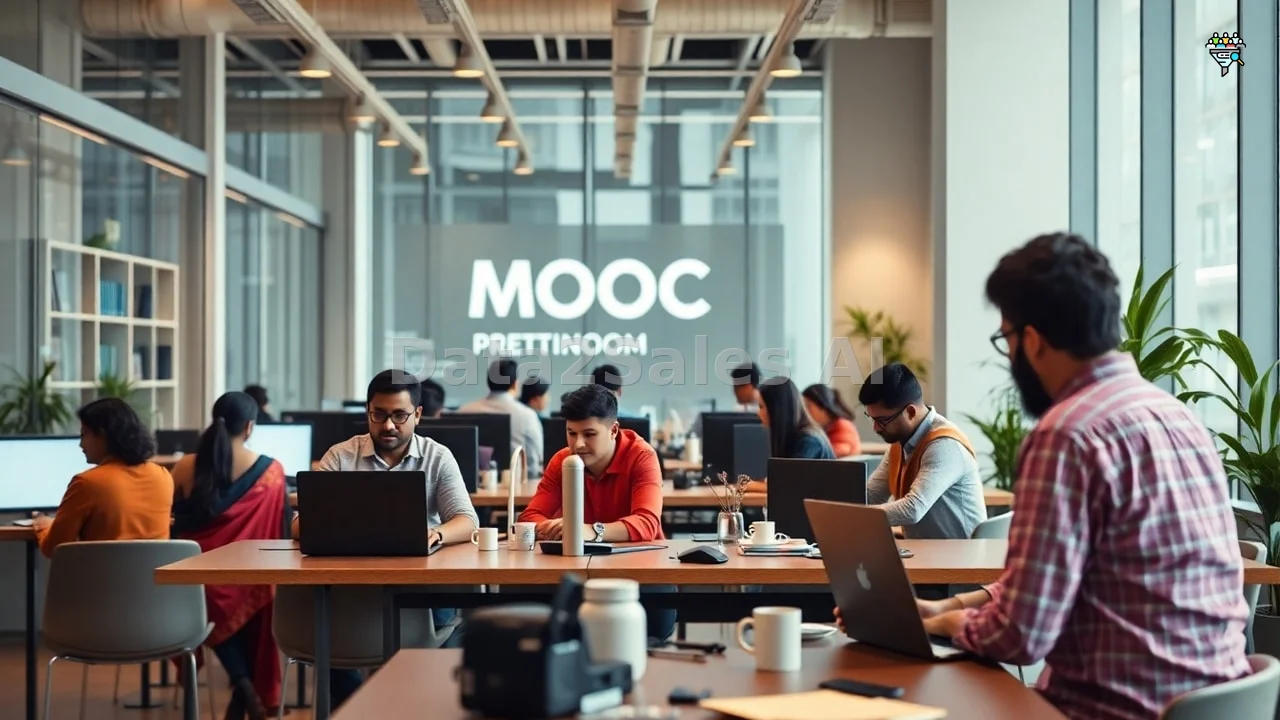
Analyzing the 2026 Landscape of MOOC Platforms in India: Market Data
Discover how India's National Education Policy 2020 and regional tech hubs like Bengaluru, Noida, and Pune are driving an unprecedented boom in local MOOC platform databases.
Overview
As we navigate 2026, India's massive digital upskilling sector has transformed the global education landscape, driven by the Ministry of Education's aggressive digital mandates and a domestic workforce eager to master emerging technologies. Massive Open Online Course (MOOC) platforms in India have evolved far beyond basic video repositories; they are now sophisticated, AI-driven engines integrated directly into corporate training programs and university curricula across tier-1 hubs like Bengaluru and tier-2 centers like Coimbatore. This rapid expansion is heavily supported by the National Education Policy (NEP) 2020 framework, which permits academic credit transfers directly from registered online programs, cementing MOOCs as a core pillar of the Indian tertiary education system.
For enterprise B2B service providers, software vendors, and recruitment agencies, this highly dynamic ecosystem of Indian MOOC platforms represents a high-value prospect database. Access to accurate, verified contact data for decision-makers at these digital platforms—ranging from Chief Learning Officers in Noida to IT Procurement Heads in Pune—has become a critical competitive advantage. With rapid consolidation, regulatory changes enforced by the University Grants Commission (UGC), and shifting venture capital investments across Maharashtra and Karnataka, sales teams require real-time, highly granular market intelligence to successfully target their outreach and avoid wasted marketing spend in this highly competitive territory.
In this comprehensive market analysis, we dive deep into the current operational state of the MOOC platform sector across India in 2026, examining key regional density shifts from Chennai to Gurgaon. We will explore the precise makeup of our premium B2B dataset, outlining how we capture and verify key organizational fields, corporate emails, and direct mobile numbers. Readers will gain actionable insights into buyer personas, localized pricing models denominated in Indian Rupees (INR), and practical sales strategies to engage decision-makers who are currently scaling up virtual learning infrastructures to serve millions of active learners nationwide.
State of MOOC Platforms in India (2026)
The Indian MOOC platform market in 2026 is experiencing an unprecedented surge, with its total addressable market valuation crossing landmark thresholds in the edtech sector. Growth is heavily concentrated within the tech-corridors of Bengaluru, Karnataka, alongside the rapidly expanding NCR belt encompassing Noida and Gurgaon. This surge is primarily fueled by the UGC's updated regulatory guidelines allowing local universities to outsource up to 40 percent of their curriculum workloads to approved online course providers. Consequently, platforms like upGrad, Simplilearn, and emerging regional players in Pune and Hyderabad are aggressively securing partnerships with traditional colleges to offer co-branded executive diplomas and specialized technical certifications.
Segmentation within the Indian online learning market has become highly specialized to cater to diverse regional demographics. We observe three dominant categories: massive state-backed portals like SWAYAM (Study Webs of Active-Learning for Young Aspiring Minds), elite private platforms offering joint programs with Indian Institutes of Technology (IITs), and highly localized vernacular upskilling platforms headquartered in cities like Chennai and Kochi. These vernacular platforms are gaining immense traction by offering engineering and business modules in Tamil, Telugu, Hindi, and Marathi, effectively capturing the massive tier-3 and rural student demographic that traditional English-only platforms historically underserved.
From a technological standpoint, the integration of generative AI tutoring assistants and localized virtual labs has dramatically increased operational overheads and software acquisition budgets for these platforms. To support these resource-intensive platforms, operators in Mumbai's financial district and Bengaluru's startup hubs are heavily investing in cloud infrastructure, cybersecurity protocols to protect student data under the Digital Personal Data Protection (DPDP) Act of 2023, and advanced video streaming optimization tools. This infrastructure expansion has made MOOC platforms prime targets for B2B SaaS providers, cloud hosting giants, and specialized digital marketing agencies looking to offer localized enterprise solutions.
What's in the India dataset
Our specialized B2B database of MOOC platforms in India provides comprehensive, multi-layered intelligence designed to bypass gatekeepers and reach high-level executives directly. Each record in the dataset is populated with essential operational fields, including the official corporate entity name, registered office address in cities like Bengaluru or Gurgaon, active Corporate Identification Numbers (CIN), and Goods and Services Tax Identification Numbers (GSTIN). This regulatory data ensures that your sales and compliance teams can easily verify the legal standing and financial scale of each target edtech platform prior to initiating high-value contract negotiations.
To facilitate direct and highly personalized outreach, the dataset features thoroughly validated contact information for key decision-makers, including Founders, Chief Technology Officers (CTOs), Heads of Curriculum, and Chief Marketing Officers (CMOs). We provide direct corporate email addresses, verified LinkedIn profiles, and validated Indian mobile numbers (prefixed with +91) to support multi-channel outbound campaigns. Additionally, each record contains geographic coordinates (GPS latitude and longitude) for physical offices, allowing localized sales representatives in technology parks like the Manyata Tech Park in Bengaluru or the DLF CyberCity in Gurgaon to plan highly efficient in-person sales visits.
We maintain the integrity of our dataset through a rigorous, multi-step validation process that combines automated programmatic checks with manual verification by our dedicated data analysts based in India. Every single email address undergoes real-time SMTP handshake verification, and mobile numbers are periodically validated using local telecommunication registries to eliminate dead leads and reduce bounce rates. Recognizing the rapid shifts in India's corporate landscape, our entire database undergoes a comprehensive refresh cycle every 30 days, capturing new platform launches, executive leadership transitions, and updated corporate tax filings across all Indian states.
Top MOOC Platforms hubs in India
Coverage breakdown by city, sorted by verified record count.
Who buys MOOC Platforms India data
The primary buyers of our Indian MOOC platform database are enterprise B2B software vendors and cloud infrastructure providers looking to supply scalable solutions to rapidly expanding edtech platforms. Sales Development Representatives (SDRs) and Account Executives (AEs) based in tech hubs like Hyderabad and Bengaluru use our granular data to target CTOs who are actively scaling their video hosting capabilities, seeking advanced anti-piracy DRM software, or migrating to multi-cloud architectures. By utilizing verified direct-dial mobile numbers and LinkedIn handles, these sales teams can pitch localized, high-performance cloud hosting packages tailored to the unique bandwidth constraints of Indian learners in semi-urban areas.
Another key buyer persona consists of corporate training agencies, institutional content creators, and university outreach departments looking to syndicate their educational content. Academic counselors and B2B partnership managers at premium institutions in cities like Pune, Ahmedabad, and Mumbai leverage our database to identify and pitch curriculum alignment opportunities to Heads of Product at leading MOOC platforms. Our precise filtering capabilities allow these institutions to target platforms specializing in specific niches, such as executive management or vernacular-language coding bootcamps, ensuring high-conversion partnership proposals that align with current NEP 2020 initiatives.
Pricing for MOOC Platforms in India
Pay-per-row · pick a bundle or full country
From ₹1 per row- Verified email + phone
- GPS-tagged address
- Instant CSV / Excel
- Everything in Starter
- Decision-maker names
- Free re-verification
- Multi-state filter
- Everything in Growth
- CRM-ready formatting
- Priority support
- Monthly refresh included
To support the highly dynamic budget cycles of modern businesses operating in the Indian market, we offer a transparent, highly flexible pricing model designed around direct utility. Our database is accessible via a flat per-row pricing structure or a flexible pay-as-you-go credit system, completely eliminating the need for restrictive, long-term annual contracts that often tie up valuable working capital. This approach allows agile startups in Delhi NCR or growing SaaS enterprises in Chennai to purchase only the specific regional slices of data they require, paying in Indian Rupees (INR) to simplify local tax compliance and corporate procurement approvals.
Our standard licensing terms grant buyers unrestricted, perpetual usage rights for the purchased data, making it ideal for continuous, multi-channel marketing campaigns, localized cold calling, and programmatic LinkedIn outreach. Whether you are conducting a targeted email campaign to edtech CTOs in Pune or running localized geo-targeted ads on social platforms, our data can be seamlessly integrated into your internal CRM systems, such as Salesforce or Zoho, without any hidden integration fees. We also provide full compliance guarantees under India's Digital Personal Data Protection (DPDP) Act, ensuring your outreach remains secure and legally compliant.
Frequently asked questions
How does the National Education Policy (NEP) 2020 impact the MOOC platforms database for India?
Are the contact numbers in this database compliant with India's TRAI regulations?
How do you verify the GSTIN and corporate registry data for Indian MOOC platforms?
Which regional hubs in India show the highest density of MOOC platforms in 2026?
Do you provide direct-dial mobile numbers for decision-makers in Noida and Gurgaon?
How does India's Digital Personal Data Protection (DPDP) Act affect using this B2B database?
Can I filter the Indian MOOC database by specific programming languages or target audiences?
What payment methods do you accept, and can we pay in Indian Rupees (INR)?
As India's digital learning ecosystem continues its rapid expansion toward a multi-billion dollar valuation by the end of 2026, the window of opportunity to secure market share within the MOOC platform vertical is closing fast. Companies that leverage highly accurate, freshly updated, and localized B2B intelligence will easily outpace competitors relying on outdated, generic directories. Do not let outdated contact sheets stall your enterprise sales pipelines in Bengaluru, Mumbai, or Noida. Contact our regional sales specialists today to download a customized sample dataset in Indian Rupees (INR) and experience the power of verified, direct-dial B2B data designed specifically for the Indian educational technology ecosystem.
Unlock the full MOOC Platforms database in India
Verified emails, mobile numbers, GPS-confirmed addresses and decision-maker contacts — refreshed monthly.

Comments
Be the first to share your thoughts on this dataset.